
Search engines do not only look at your website. They also look at what the rest of the internet says about it. Off-page SEO is the work of earning that outside evidence: other sites linking to you, people mentioning your brand, and real customers talking about you.
This guide explains what off-page SEO includes, how it differs from on-page SEO, and where to start if you have limited time.
Off-page SEO vs on-page SEO
On-page SEO covers things you control directly on your pages: titles, headings, content, internal links, page speed and structure. Off-page SEO covers signals that come from other places.
A simple way to remember it: on-page SEO tells search engines what your page is about. Off-page SEO helps them judge whether it can be trusted. You need both. A trusted page that is badly written will not satisfy readers, and a well-written page that nobody references can struggle to compete on difficult topics.
What counts as off-page SEO
- Backlinks. Links from other websites to yours. This is the largest and most studied part. Quality and relevance matter far more than raw numbers.
- Brand mentions. Your name appearing in articles, lists, podcasts or reviews, with or without a link. These help people and AI tools connect your brand with a topic. We cover this in our article on backlinks and brand mentions in AI search.
- Reviews and reputation. Genuine reviews on platforms your customers use help buyers trust you and can support local and brand searches.
- Social and community presence. Social posts rarely pass ranking power directly, but they help people discover your content, and a discovered article is more likely to earn links.
- Digital PR. Giving journalists and editors something genuinely worth covering, such as original data or an expert opinion.
Why backlinks are the core of it
A link from one site to another works like a recommendation. When a relevant, respected site links to your page, it tells search engines that someone other than you thinks the page is worth reading. This is why link building remains central to off-page SEO.
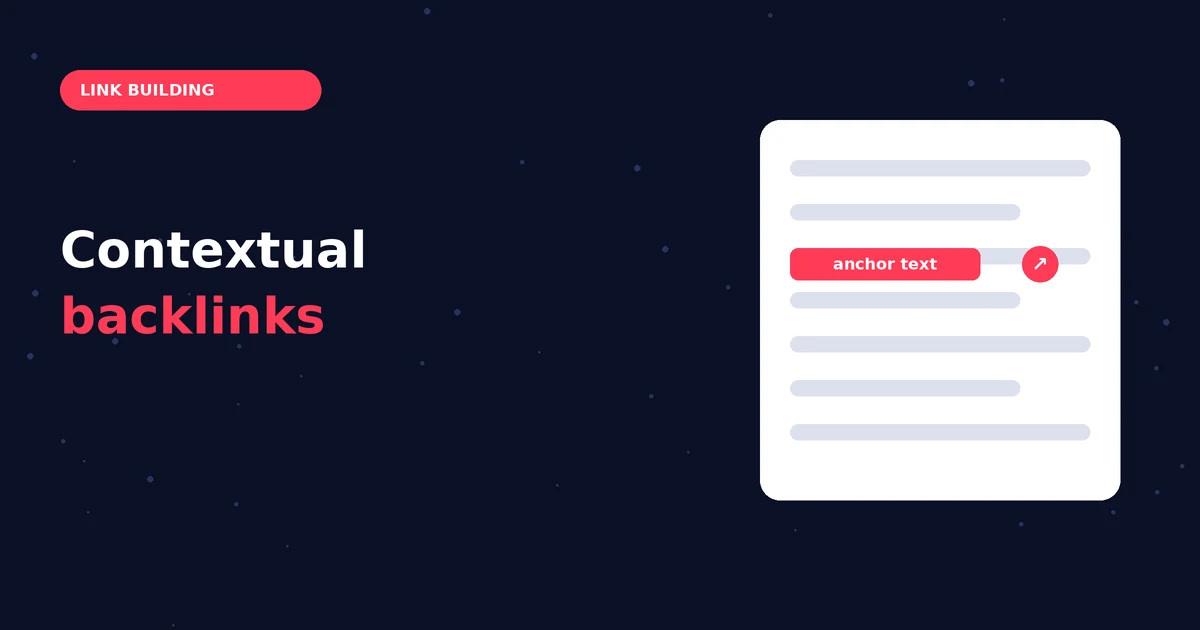
Not every link is equal, though. A link inside a useful article on a relevant site is worth far more than one dropped into a footer or a directory. Our guide to contextual backlinks explains the difference.
Ways to build off-page signals
- Guest posting. Writing a genuinely useful article for a relevant site that includes a natural link back. See what guest posting is and how to do it well.
- Linkable resources. Publishing something others want to cite: a clear guide, a free tool, a template or original research.
- Personal outreach. Contacting editors and site owners who cover your topic, with a message that explains why their readers would care.
- Fixing missed mentions. Searching for places that already mention your brand without linking, and politely asking for a link.
- Building real relationships. Podcasts, interviews, expert quotes and community involvement tend to earn mentions that last.
What to avoid
- Link farms and private blog networks. Sites that exist only to sell links are easy for search engines to spot, and the risk is not worth it.
- Mass directory and profile spam. Thousands of low-value links add little and can look manipulative.
- Over-optimized anchor text. If every link uses the same keyword phrase, the profile looks unnatural. Mix brand, domain and descriptive anchors.
- Irrelevant sites. A link from a site with no connection to your topic does little for you. Use our 10-point checklist before you accept any placement.
Where to start
If you are early on, a sensible order is: first make sure your own site is clear and indexable, then build your brand profiles so people can find the same name everywhere, then earn a small number of relevant links through guest posts and outreach, and keep going steadily. Consistency beats bursts. Expect progress to be gradual, as explained in how long link building takes.
Want help with the off-page side?
Serpify Media plans and runs link building and guest posting campaigns on real, relevant sites. If you would like a straight answer on what would make sense for your site, ask for a free proposal.
Frequently asked questions
What is off-page SEO in simple words?
It is everything that helps your site rank that happens outside your own pages. The biggest part is backlinks, which are links from other websites to yours, but brand mentions, reviews and your presence on other platforms also play a role.
Is off-page SEO more important than on-page SEO?
Neither works well alone. On-page SEO makes sure your pages are clear, fast and useful. Off-page SEO gives search engines outside evidence that your pages deserve trust. A brand new site usually needs both, and links matter most in competitive topics.
What are the main off-page SEO techniques?
Earning backlinks through guest posts, useful resources and outreach; getting your brand mentioned in relevant articles and lists; collecting genuine reviews; and keeping consistent profiles on the platforms your audience uses.
How long does off-page SEO take to work?
There is no fixed timeline. Links must be published, crawled and weighed, and new sites often need months before the effect is clear. Our guide on how long link building takes goes into more detail.
Can I buy backlinks?
Search engines treat paid links meant to manipulate rankings as a violation of their guidelines. Paying for editorial work such as writing, outreach and publishing a real article on a relevant site is a different thing from buying links on a link farm. Always check the site and the disclosure rules first.

Khalil is the founder of Serpify Media, a link building and guest posting agency. He writes about honest, research-led off-page SEO. Meet the team.